Guidance Related to Federal Immigration Enforcement
Students, faculty and staff, With leadership changes in the federal government resulting in immigration enforcement operations around the nation, we are writing […]

Students, faculty and staff, With leadership changes in the federal government resulting in immigration enforcement operations around the nation, we are writing […]
Students, faculty and staff, New presidential and congressional leadership in Washington D.C. has begun issuing memos, regulations and executive orders, including some […]

Written Testimony before the U.S. House of Representatives Committee on Ways and Means Health Subcommittee Hearing on “Investing in a Healthier America: […]
As the 2024 elections approach, the University of Michigan is implementing a variety of measures to ensure all faculty, staff and students are well-prepared to exercise their right to vote.

September 12, 2024 In anticipation of this year’s election on Nov. 5, many members of the University community have asked about their […]
Wolverine Caucus, in collaboration with the Institute for Healthcare Policy & Innovation, convened on June 18 to discuss the Michigan Poll on Healthy Aging. The event brought together experts, policymakers, and community stakeholders to explore critical issues facing Michigan’s aging population.
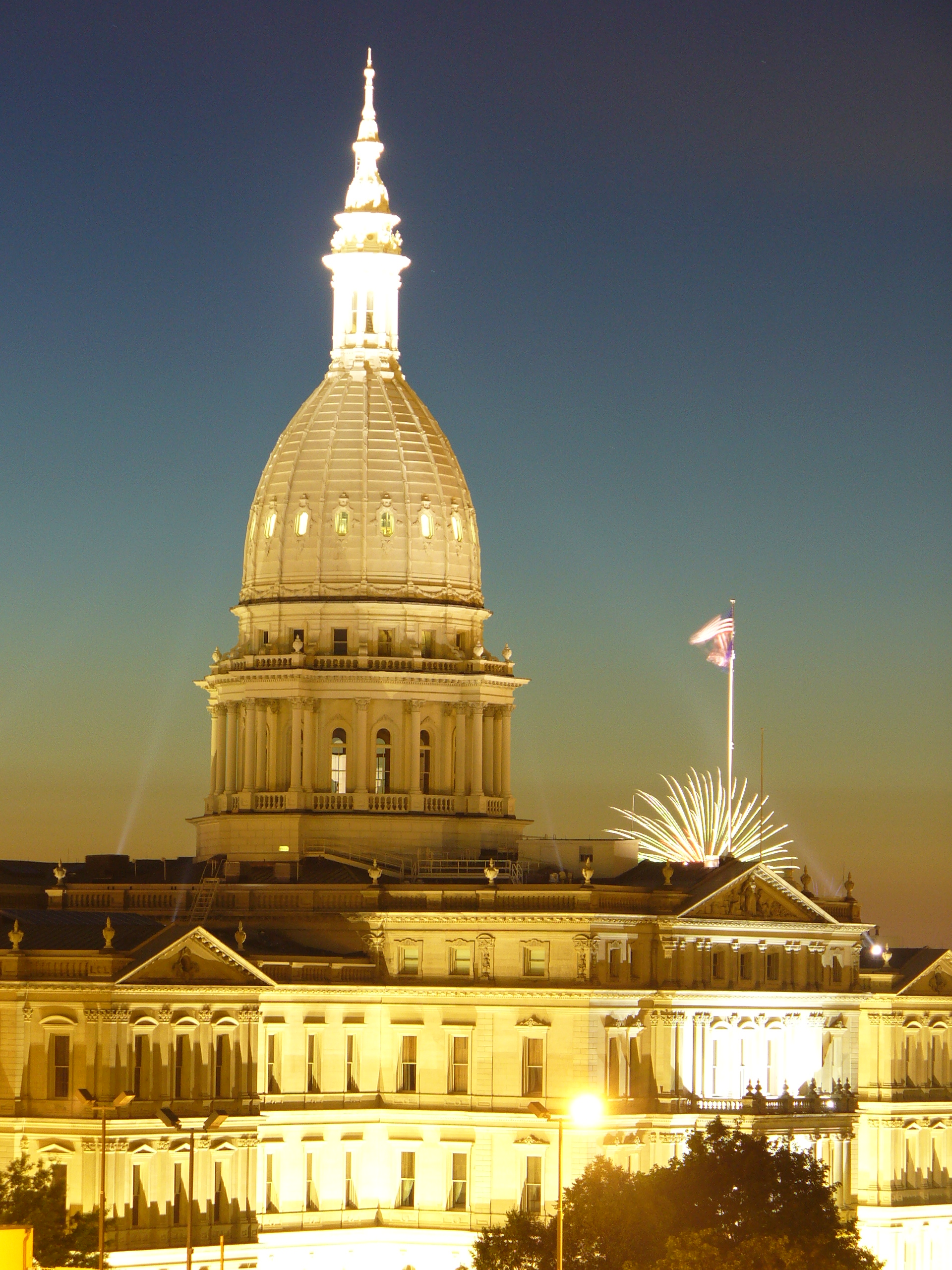
The Michigan Legislature passed a 2024-25 general fund and education omnibus budget June 27, allocating a modest increase for the University of Michigan Ann Arbor campus’ operations and significant investments in the university’s economic development and innovation efforts, as well as firearm injury prevention and safety.

The University of Michigan and the Detroit Regional Chamber have unveiled a strategic initiative to foster innovation, technological advancement and economic growth from Ann Arbor to Detroit.